
Skip to content

Forklift Inspections: A Complete Guide to Forklift Safety, Inspection Checklists, and OSHA Compliance

Emily Dowd

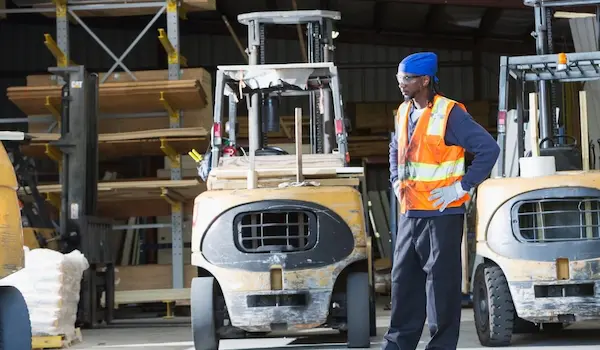
worker in warehouse - KPA

What happens when a forklift’s brakes fail in the middle of a busy warehouse? Or when a faulty hydraulic system gives out while lifting a heavy load? These aren’t just “what if” scenarios; they’re real risks that come with operating industrial trucks. That’s why forklift inspections aren’t just another checkbox on a safety form; they’re the frontline defense against accidents, injuries, and costly downtime.

In this guide, we’ll break down everything you need to know about forklift inspections, from OSHA requirements to practical checklists and maintenance tips. Whether you’re a seasoned safety manager or a forklift operator looking to stay compliant, you’ll find actionable insights to keep your workplace safe and running smoothly. We’ll cover the key elements of daily, weekly, and annual inspections, common issues to watch for, and best practices for maintaining a reliable forklift fleet.

Novara has been helping businesses reduce risks and protect their employees through our comprehensive EHS solutions for over 40 years. From intuitive software that streamlines inspections to expert consulting that ensures OSHA compliance, we provide the tools and expertise to create safer workplaces.

Let’s dive in and make forklift inspections a seamless part of your safety culture.
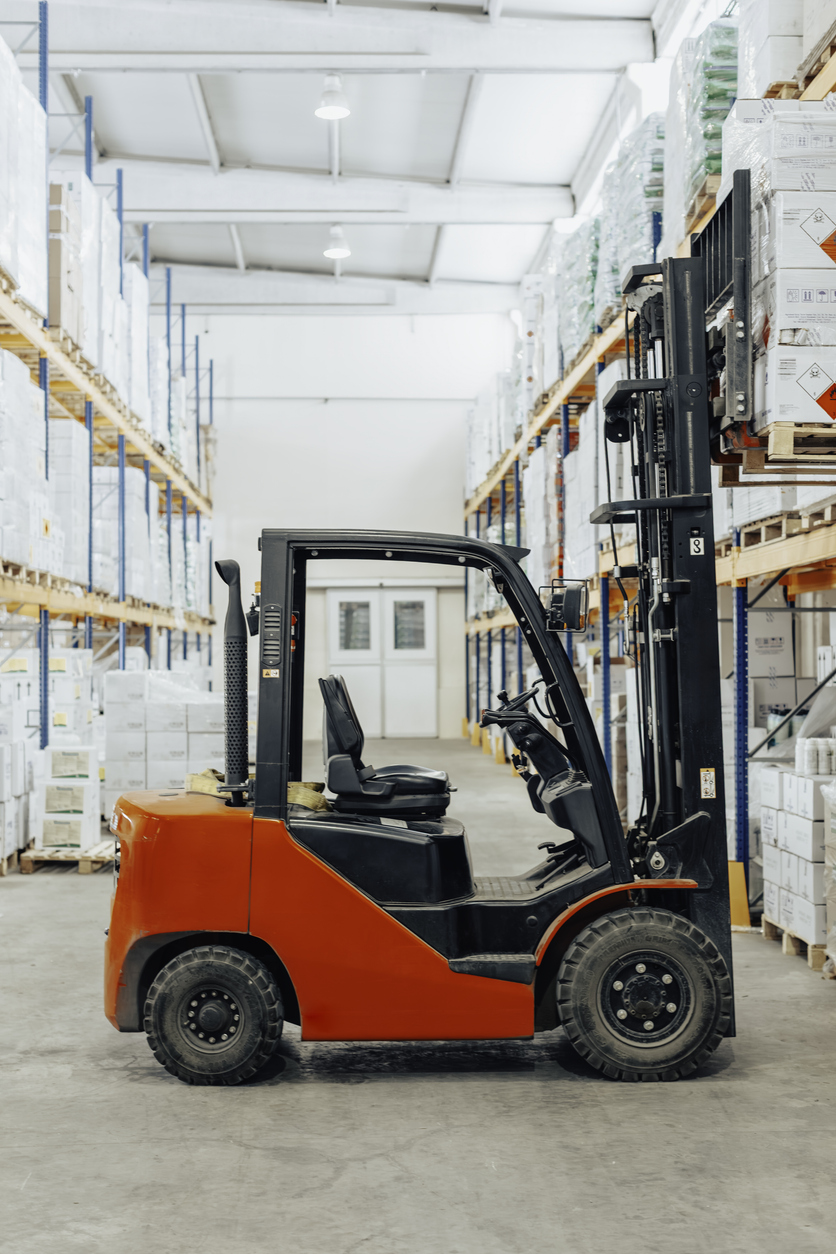
Forklift vehicle parked inside organized warehouse aisle filled with stacked boxes and goods. KPA safety software

The Importance of Regular Forklift Inspections

A wise person once said, “Good maintenance is cheaper than a bad accident.” That saying rings especially true for any powered industrial truck. Forklifts are the workhorses in many industries: manufacturing, warehouses, construction, retail distribution, you name it.

Why Are These Checks So Important?

1. Protecting Workers

Few folks realize how many employees are killed each year in forklift incidents. The ripple effect of a single oversight, like a brake issue, can put multiple people in harm’s way.

2. Reducing Downtime

Regular forklift inspection helps detect mechanical troubles before they balloon into major failures. Spotting a small hydraulic leak today can avert costly repairs tomorrow.

3. Meeting Legal Requirements

The Occupational Safety and Health Administration (OSHA) has a set of forklift inspection needs that aren’t optional. They’re required by law to carry out checks on forklift vehicles before an operator operates a forklift, and those inspections must be recorded and filed for at least a year.

4. Fostering a Culture of Safety

When teams conduct a forklift inspection checklist or a pre-operation inspection, they start their day with caution and responsibility. That helps operators take ownership of health and safety.

Think of a forklift like your personal car, except that any mistake in the workplace could have serious consequences for multiple people. Wouldn’t you rather catch an issue early?

Components of a Daily Forklift Inspection Checklist

A daily forklift inspection checklist can sound intimidating, but it’s basically a structured list that prompts workers to conduct a forklift inspection from top to bottom. By investing a bit of time each morning (or whenever the shift starts), you’ll boost safety and stop minor annoyances from becoming giant headaches.

Visual Check

  1. Fluid Levels: Look at oil, coolant, and hydraulic fluid. Low levels signal underlying leaks or a consumption problem.
  2. Tires: Worn tires are a sneaky hazard, especially if you’re lifting heavy loads. Watch for cuts, punctures, or bald patches.
  3. Mast and Chains: Inspect the mast for cracks, rust spots, or damage to the hydraulic cylinders. If the chains look warped or loose, the forklift must be inspected further by a specialist.
  4. Forks and Attachments: A bend in the forks can compromise load stability. Check the attachments for odd wear or cracks.
  5. Forklift Safety Lights: Bulbs should work properly, and backup alarms must be audible. Broken safety features put everyone at risk.

Operational Check

  1. Controls and Steering: Test all levers, including tilt and lift, to confirm they work smoothly. Steering should respond without weird resistance or squeals.
  2. Brakes: Minor brake problems can escalate if left unchecked. If you sense any sponginess or grinding, the forklift needs prompt attention.
  3. Horn and Backup Alarms: Your horn is vital for preventing collisions—don’t skip it.
  4. Gauges: Look at the display panel. Battery, oil pressure, and temperature gauges must be accurate, especially for electric forklifts that track battery charge status.
  5. Seatbelts: Check for wear, damage, and proper functionality of the belt.

Documentation

Every time you carry out a regular forklift inspection, record your findings on a forklift inspection sheet. This daily forklift inspection form helps you see patterns, plan maintenance, and track ongoing concerns. Some folks prefer a free forklift inspection checklist in digital format, while others keep a clipboard in the breakroom. Either way, choose a system that works well for your team.

Types of Forklift Inspections

1. Daily Inspections (Pre-Operation Inspections)

Before any driver starts a forklift, they should complete a pre-operation inspection. This ensures everything is functioning well enough for that day’s tasks. A daily inspection focuses on immediate concerns: fluid leaks, tire condition, brake response, and warning signals. If something’s off, the forklift must be removed from operation. Operators typically do these checks at the beginning of each shift so the forklift is safe to operate.

2. Weekly Forklift Inspection

Some companies add a weekly layer to their routine: a slightly deeper look. This might include verifying more detailed mechanical points, like belt tensions or battery connections on electric forklifts. Weekly checks complement daily and weekly oversight for thorough forklift operation readiness.

3. Periodic/Monthly Inspections

Monthly or quarterly inspections and maintenance go beyond the quick once-over. A full vehicle inspection might involve tasks like replacing worn parts, checking alignment, or assessing more hidden components. These scheduled checkups can help you keep your equipment in top shape and extend the life of your forklift vehicles.

4. Annual Inspections

Annual reviews usually line up with major servicing intervals or when you purchase a forklift and have it integrated into your fleet. Employers often decide to do an in-depth inspection process that’s more specialized—testing structural elements, thoroughly reviewing the hydraulic system, and more. Think of it as a forklift’s “major check-up.”

Combining all these inspection types reduces your chances of forklift accidents since each layer zeroes in on different operational or mechanical factors.

Common Issues Identified During Inspections

What usually crops up when you conduct a forklift inspection checklist? Let’s look at a few repeat offenders.

  1. Damaged Forks: A crack or bend might not be dramatic at first, but if you ignore it, that forklift can risk the lives of workers by losing stability under a heavy load.
  2. Leaking Hydraulic Fluid: Small leaks might go unnoticed until they cause big trouble. Fluid puddles indicate worn seals or hoses that might blow out during a lift.
  3. Tire Wear: Smooth or ripped tires reduce traction. For a forklift daily checklist, it’s crucial to keep an eye on air pressure and sidewall integrity.
  4. Brake & Steering Defects: Brakes that squeak or steering that pulls can lead to forklift accidents if not addressed quickly.
  5. Battery or Fuel Issues: Electric forklifts can suffer from battery corrosion or poor charging connections, while propane or diesel forklifts might have fuel leaks or clogged filters.

Spotting these issues early helps minimize downtime and, more importantly, avoids forklift accidents that can harm people or property. Nobody wants to gamble with worker safety.

Practices for Maintaining a Well-Maintained Forklift Fleet

Emphasize Training

Operators should understand how to start a forklift properly and interpret warning signals. A forklift operator who’s clueless about routine checks can overlook small signs of wear. Encourage ongoing training programs. In many industries, forklift refresher courses keep employees up to date on safe practices, which reduces the chance of errors.

Schedule Consistent Inspections

A daily forklift inspection isn’t something to toss aside. Make it part of everyone’s routine. If your facility runs multiple shifts, your forklift daily inspection checklist should be completed each time. Frequent checks help catch problems in real time, which fosters smoother operations.

Plan for Required Maintenance and Service

Inspections alone aren’t enough. You also need a system for timely repairs. If, for instance, the operational inspection reveals a faulty horn, you can’t just ignore it. You must be inspected by a qualified technician and fix the problem before the forklift returns to service. This approach meets OSHA forklift inspection requirements and drastically lowers safety issues.

Keep Good Inspection Records

Inspection records matter for more than regulatory compliance. They clue you in on recurring breakdowns, show usage patterns, and help you forecast repair budgets. When you track inspections and maintenance thoroughly, you’ll spot when it’s time to retire older equipment. Also, if there’s ever a dispute about your safety procedures, having a forklift inspection sheet from each day is a powerful piece of evidence that you followed the rules.

Replace Old Equipment When Needed

Eventually, maintenance costs might balloon to the point where a new forklift equipment purchase is smarter. While older forklifts can still be perfectly reliable, if you’re losing too much time or money on constant repairs, upgrading can boost productivity and safety. In particular, modern electric forklifts often feature updated technology, which can help with load stability, energy efficiency, and lower overall emissions. An older forklift may also need to be replaced when a forklift’s lifespan is ending. This occurs around 10,000 – 20,000 hours of use or approximately 5-10 years of operation.

Forklift Safety Quiz

Do you know your forklift safety and OSHA compliance essentials? Or are your people and your business at risk of an accident?

Take the quiz

Forklift Safety, Inspection Checklists, and OSHA Compliance

Forklift inspections are essential for workplace safety. They help prevent accidents, keep equipment in top shape, and keep businesses in compliance with OSHA regulations. When done right, they create a safer, more efficient work environment where operators can do their jobs confidently, knowing their equipment is reliable. The benefits are undeniable: fewer breakdowns, fewer injuries, and a workforce that takes safety seriously.

But let’s be honest. Keeping up with daily, weekly, and annual inspections isn’t always easy. Paper checklists pile up, records get misplaced, and tracking maintenance issues across multiple forklifts can feel like a full-time job. On top of that, compliance demands never let up. A missed inspection or undocumented issue can quickly lead to fines, costly repairs, or worse, an avoidable accident.

Smiling Young Female Forklift Operator in Safety Vest and Helmet Working in a Modern Warehouse - KPA Safety Software EHS

Instead of relying on stacks of paper or scattered spreadsheets, our safety solutions enable teams to complete inspections quickly, document issues in real-time, and identify maintenance needs before they escalate into costly problems. It’s a smarter, more scalable way to keep your fleet running safely while staying ahead of regulatory requirements.

Related Content

Explore more comprehensive articles, specialized guides, and insightful interviews selected, offering fresh insights, data-driven analysis, and expert perspectives.

KPA Emily Dowd

Em Dowd

Emily "Em" Dowd leverages extensive digital marketing experience to develop creative strategies and engaging content that deliver measurable results. Her expertise spans website management, content creation, search engine optimization, and social media strategy, with particular strength in crafting compelling messaging that resonates with target audiences. What sets Em apart is her commitment to staying ahead of industry trends as a perpetual learner, constantly exploring the latest technologies and best practices in digital marketing. Em's approach focuses on creating meaningful connections between businesses and their customers through tailored marketing solutions.

More from this Author >

Back To Top