DART Rates: Calculate Yours Like a Pro and Keep OSHA Away
The lower your DART rate, the better off your organization is. And you’re less likely to have a knock on the door from an OSHA inspector. Learn how to calculate yours.
We’ve assembled some real examples of poor housekeeping. See if you can identify what’s wrong in each photo and how the issue could lead to illness or injury.
Discover what's keeping safety professionals awake in 2025: resource constraints, worker engagement, and technology adoption challenges from the latest Safety+Health survey.
How do you motivate your team to clean up and get involved in your company’s 5S program? How do you turn housekeeping into a habit? Here’s what to do and not do.
Employees have the right to know what chemicals they could be exposed to and their potential hazards. That’s the reason for OSHA’s Hazard Communication Standard, and why Safety Data Sheets are important.
Discover if your safety program truly engages frontline workers. Take our 5-minute assessment for actionable insights to reduce incidents and improve workplace safety.
In this episode, we unpack digital transformation and discuss strategies for integrating leadership, technology, & operations to foster safety culture.
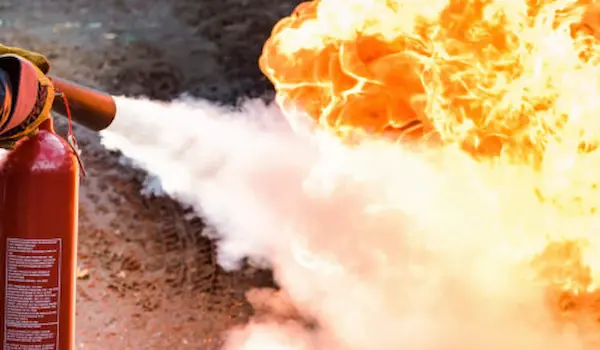
Unpredictable doesn’t mean unmanageable. It’s how you respond to an emergency that matters. Is your workforce prepared? Take Novara’s Emergency Response Pop Quiz.
Housekeeping isn’t just good for your people and your soul—it’s good for your bottom line. How does cleanliness mean money? Let’s count the ways.
Here are four employee training strategies for if you want to reach employees of every learning style, experience level, and skillset.