How Silvi Materials Built a Mobile-First Safety Culture – With a Team of Four

Picture this: 40 sites spread across five states. Mining operations, ready-mix concrete plants, bulk import terminals, rail shipping yards. Roughly 1,000 employees — drivers, field crews, plant operators — most of whom will never sit at a desk during their shift.
Now run safety for all of them with four people.
That’s the reality Colby Ankeny built at Silvi Materials, a vertically integrated construction materials company headquartered in Fairless Hills, Pennsylvania. As Director of HSE, Colby leads a team of two regional safety specialists, one claims manager, and one environmental manager.
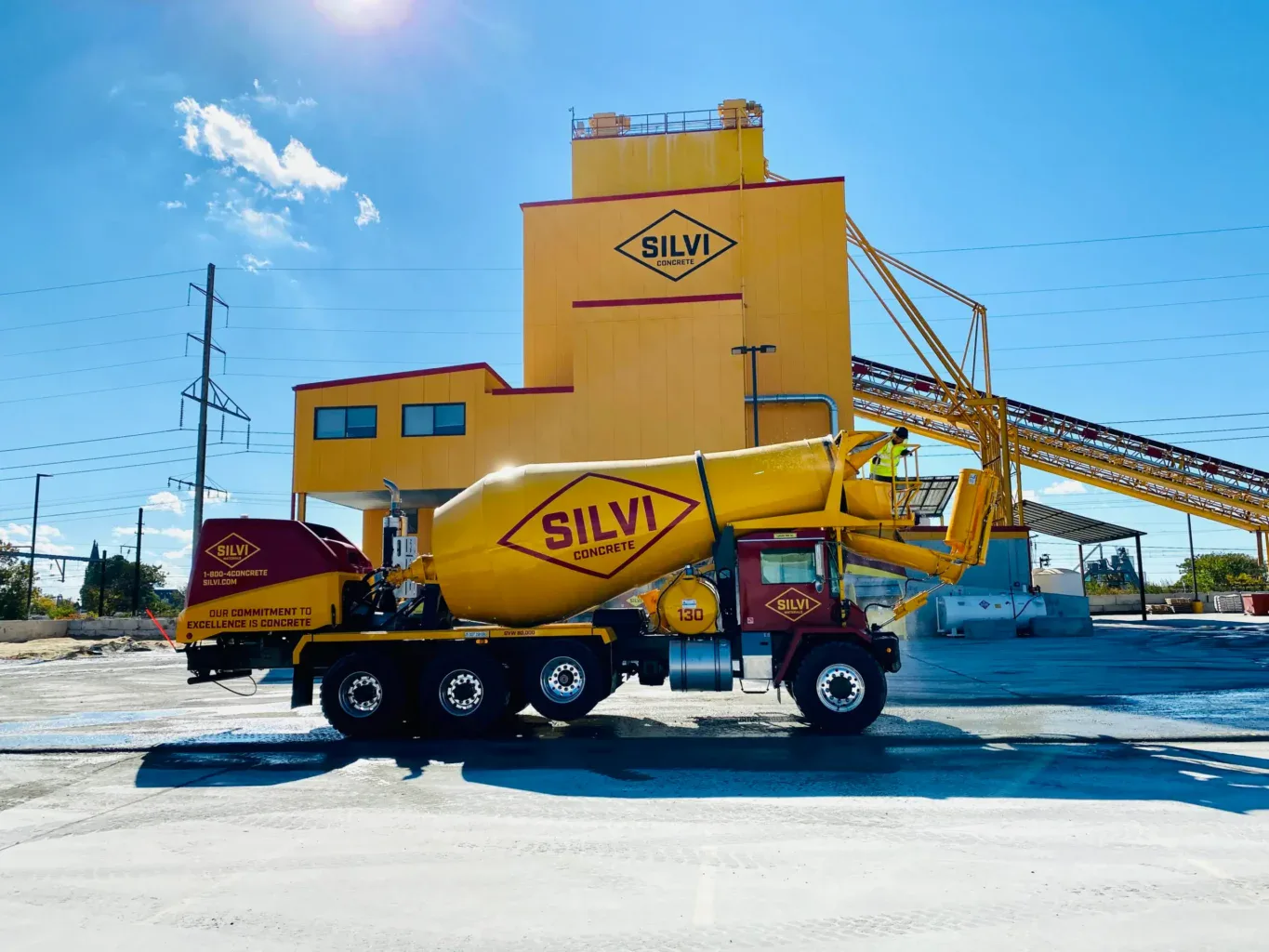
Together, they cover Pennsylvania, New Jersey, Ohio, North Carolina, and South Carolina — and they’ve posted double-digit decreases in injuries, severity rates, and accident rates for four consecutive years.
The math shouldn’t work. Here’s why it does.
40 Sites. 5 States. 4 People. The Math That Doesn’t Add Up — Until It Does.
Most safety leaders would look at Silvi’s operation and ask for more headcount. Colby took a different approach. Instead of trying to put a safety person at every site, he turned every operations person into a participant in the safety program.
The shift started with a simple realization: a four-person team can’t physically be everywhere. But a mobile platform can. If field workers, plant supervisors, and drivers could complete training, file reports, and run inspections from their phones and tablets — on their own time, without leaving the job — the team’s reach would expand overnight.
That realization led Colby to Novara Flex. Three years later, the results speak for themselves: Silvi went from above double the national industry average for injuries to half the national average.
The Philosophy Shift: Leverage Operations, Don’t Police Them
One of the first things Colby did was eliminate departmental silos within his own team. Instead of one person owning safety, another owning environmental, and a third handling claims, every team member was cross-trained across all functions. That versatility meant the team could respond to anything, anywhere — without waiting for the “right” specialist.
But the bigger shift was cultural. Colby didn’t introduce Novara Flex as a surveillance tool. He framed it to operations as “less work for you” — not “we’re watching you.” The pitch was about reducing administrative burden: fewer paper forms, faster reporting, training that fits into your day instead of pulling you off the floor.
Before any major policy change, Colby runs a 90-day discussion period. He invites operations to weigh in. He asks for 30 days of honest effort before anyone decides it doesn’t work. That approach built trust — and trust is what makes a voluntary adoption model succeed.
“I promised them something that they’d be able to use on their phones, kind of in the heat of battle.”
–Colby Ankeny, Director of HSE, Silvi Materials
What Colby Promised His Workers — And Why It Worked
The old model was simple and broken: mandatory training at a desktop computer, often in a supervisor’s office, at a scheduled time. For a workforce that includes drivers with tablets in their cabs and field crews with phones in their pockets, that model created friction at every step.
Colby made a promise: training would live on their devices. Monthly safety topics go out on a schedule, but there’s no mandate to complete it at a specific time. Workers are adults. They fit it in during downtime, between batches, during a break. Drivers complete modules on their tablets. Field crews use their phones.
The flexibility drove adoption. Workers stopped viewing training as an interruption and started treating it as a normal part of their routine. Colby’s team also built custom training modules in-house — particularly for mining-specific compliance, where MSHA requirements don’t map neatly to standard OSHA content. That ability to create and deploy training internally, without IT involvement, meant Silvi could move fast and stay relevant.
Why Flexibility Beats Mandatory Schedules
The numbers tell the story. In 2025, Silvi logged roughly 5,000 man-hours of Novara-based training — a 30% increase from the year before. The 2026 target is 10,000 man-hours, and adoption is tracking to hit it.
That growth didn’t come from mandates or enforcement. It came from removing barriers. When you make training easy to access — mobile, self-paced, and built for how people actually work — completion rates go up because participation stops feeling like a penalty.
Colby’s workers told him as much. What they like most about the system is straightforward: they can do it on their phones, on their schedule, without coming up to a boss’s office to sit at a computer. That one change in delivery method transformed how Silvi’s workforce engages with safety content.
Four Straight Years of Double-Digit Improvement: What Sustainable Really Looks Like
Silvi’s results aren’t a one-quarter spike. Colby’s team has delivered four consecutive years of double-digit decreases across injuries, severity, and accident rates. They started from a difficult position — above double the national average for their industry — and have pushed to roughly half the national average today.The lean team model works because the system carries the weight. Novara Flex delivers training, captures incident data, routes reports automatically, and surfaces the analytics Colby uses to make resource decisions. The four-person team focuses on strategy, coaching, and high-impact field time — not chasing paperwork.
And the real test of sustainability? Colby puts it bluntly: if he got hit by a truck tomorrow, the program would keep running. The workflows are built, the training is scheduled, and the data flows whether he’s there or not. That’s not a safety program held together by one person. That’s a safety culture.
“We’re half the national average for injuries right now for our industry — and we were double the average at one point.”
–Colby Ankeny, Director of HSE, Silvi Materials
What Would This Look Like in Your Operation?
Colby’s story isn’t about a massive technology overhaul. It’s about giving field workers a tool they actually want to use, building a team culture that values versatility over specialization, and trusting mobile delivery to carry the weight that headcount can’t.
If your safety team is lean — and whose isn’t — the question is whether your current tools are multiplying your impact or creating more work. Silvi’s answer is clear.