Three Best Practices to Future-Proof Your Workforce and Safety Training
The future of EHS and HR safety training is all about increasing access by eliminating friction between the training programs and those who need it.
In this week’s episode we discuss how data and analytics not only help develop preventative safety measures, but also predictive safety measures.
Injuries happen at all times, even during off-business hours and on the weekends. You may need to report injuries to OSHA even for after-hours events.
We polled our user base to get a feel for what safety and training managers want to see from their EHS and HR Training Courses in the future.
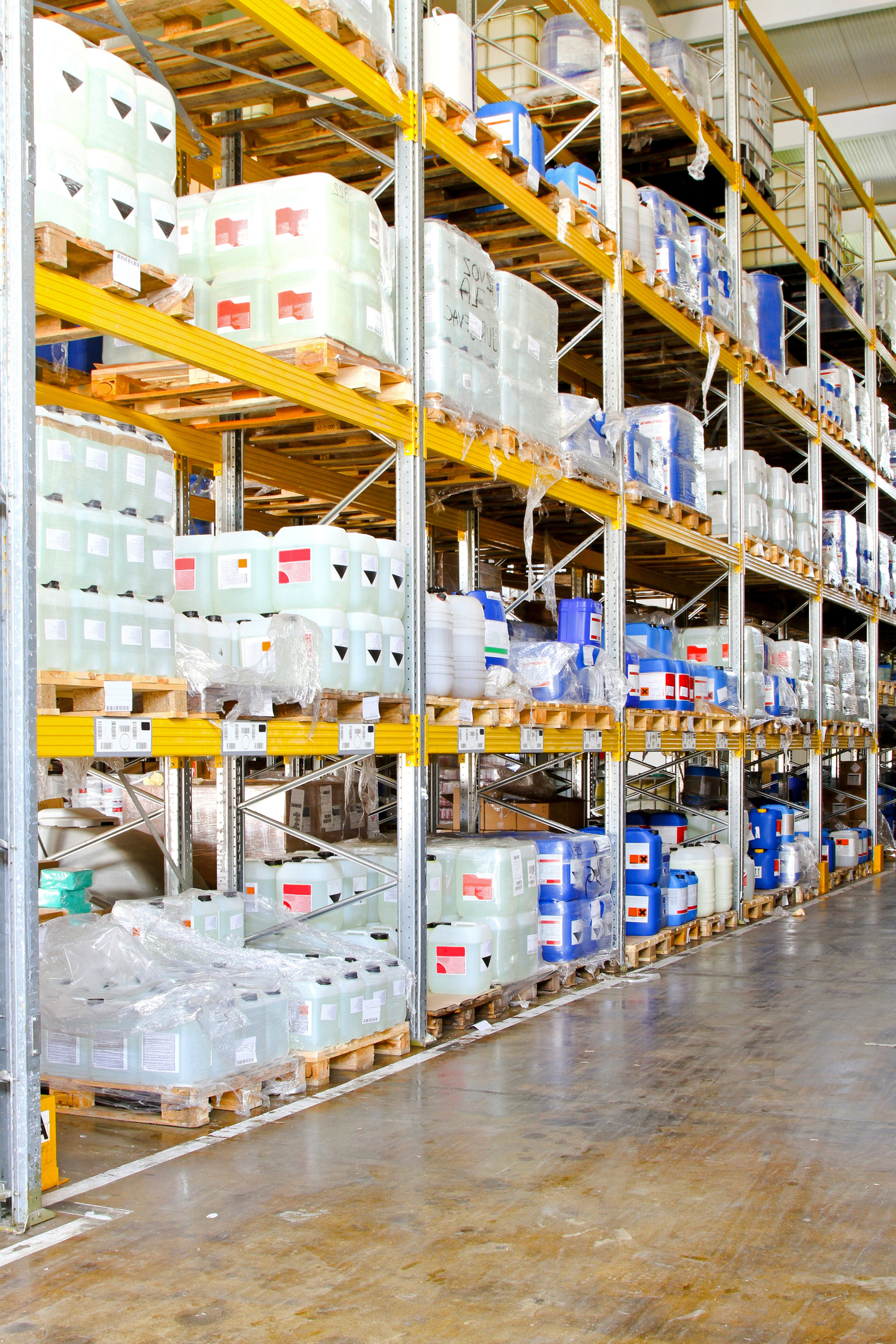
The Tier II reporting deadline is coming up on March 1st - are you ready? If you store hazardous chemicals on-site, you'll need to comply.
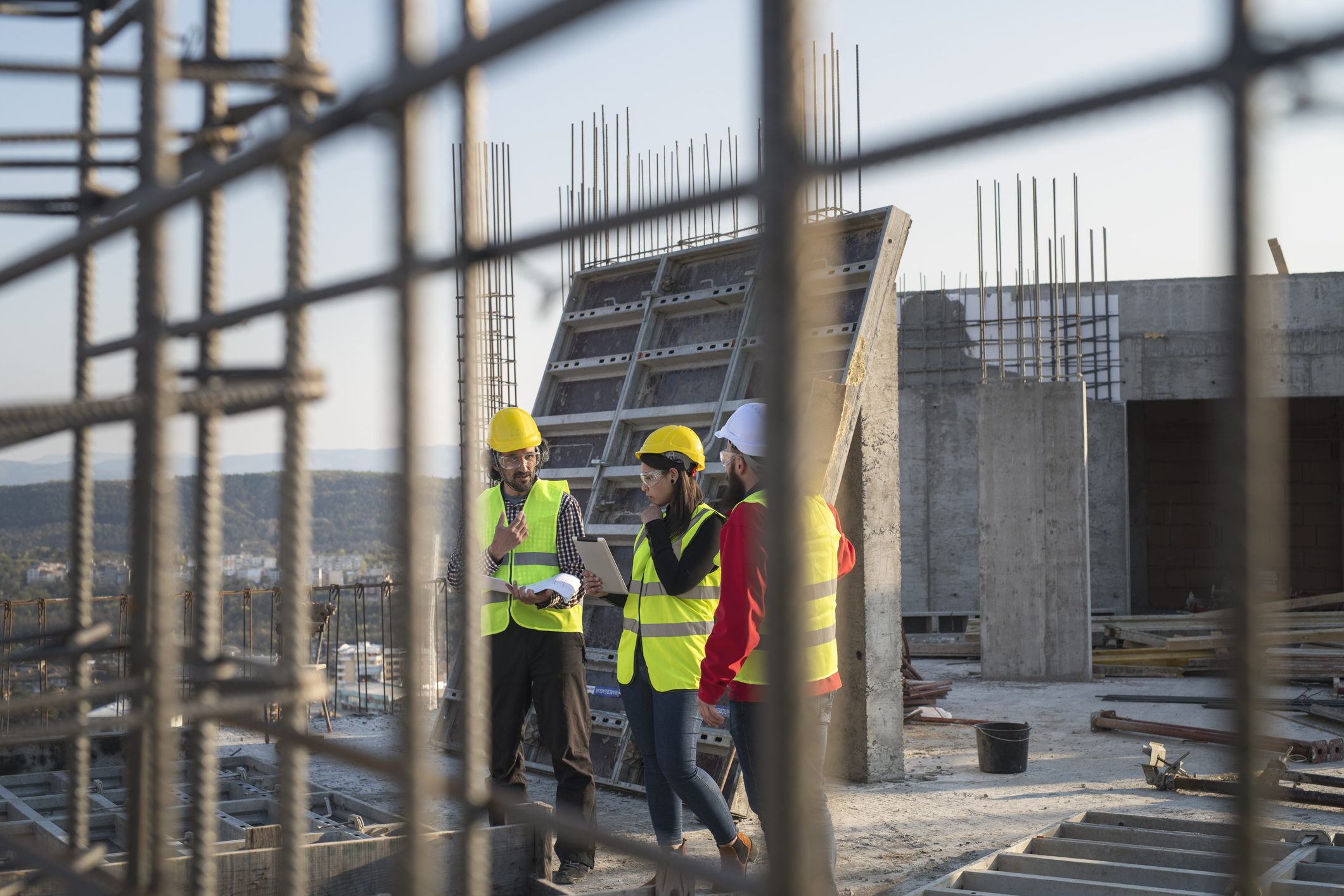
Accidents have a significant impact on construction projects, and can result in expenses that add up quickly. Think of safety incidents like an iceberg. There’s the costs you see and the costs you don’t.
As workplace environments shift over time, training needs are changing too. Here's a snapshot of popular workforce and safety training courses.
Listen to this podcast to learn about results from the recent Novara Client Training Survey and the future of best practices for safety and compliance training.
Lagging indicators can inform what improvements you can make to your safety program. Use your data to see long-term trends and evaluate performance.
As they now do every year, the fine folks at OSHA and the EPA have raised their fines for 2022. See the new $$$$ and learn how to stay out of their crosshairs.