
We’re Experiencing “Boring Jobs Crisis.” Here’s How You Can Help End It.
It’s time to treat workplace boredom—i.e. employee disengagement—as the crisis it is. A study on poor work design offers some insights and strategies into how.

It’s time to treat workplace boredom—i.e. employee disengagement—as the crisis it is. A study on poor work design offers some insights and strategies into how.

Step 1: You’ve built a strong foundation to create a safety culture in your organization. Step 2: Now that you’ve updated your mindset, it’s time to update your EHS platform.
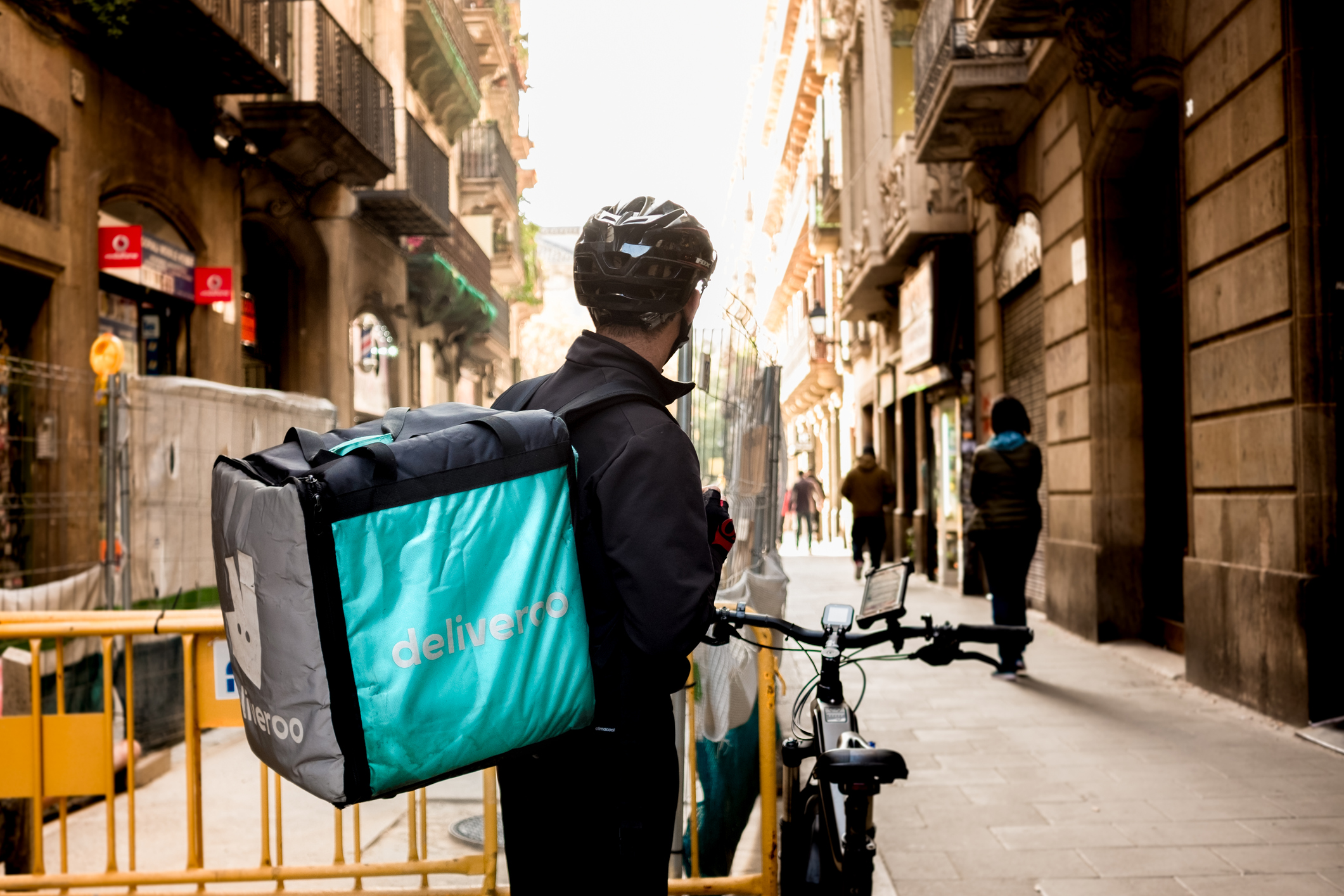
What comes to mind when you think of the words “gig economy”: convenience and flexibility? How about heightened risk of safety hazards and OSHA violations?

Whatever you do for a living, and wherever you work, there’s plenty to learn from the 13 firms named to EHS Today’s 2018 list of America’s Safest Companies.

Many employers are failing to report serious injuries to OSHA. If one of your insured gets dinged, they’ll probably wonder why their broker didn’t warn them.

Is it possible to quantify the impact of #MeToo, 2 years later? And if so, do the numbers show meaningful change in terms of the rates of incidents and reports?

Dollar Tree may offer a good deal, but fines the company has faced from OSHA and Washington state recently certainly haven’t been cheap.

In 2018, the quit rate in the U.S. hit a 17-year high, with an average of approximately 3.5 million people voluntarily leaving their jobs every month.

By targeting habits, any organization can expose unsafe behaviors, adopt new ones, and establish a true safety culture. Here’s how three companies did it.

Want to save money? Pay attention to your organization’s demographics—they tell a story about workplace injuries and workers’ compensation costs.


