Aerial Lift Best Practices: Don't Get Caught Cherry Picking

Renting an aerial or scissor lift to access elevated signs, roofs, and lights is a fairly common practice. Lift fines for improper use often exceed $16,000, reminding operators of the safety and financial importance of proper operation.
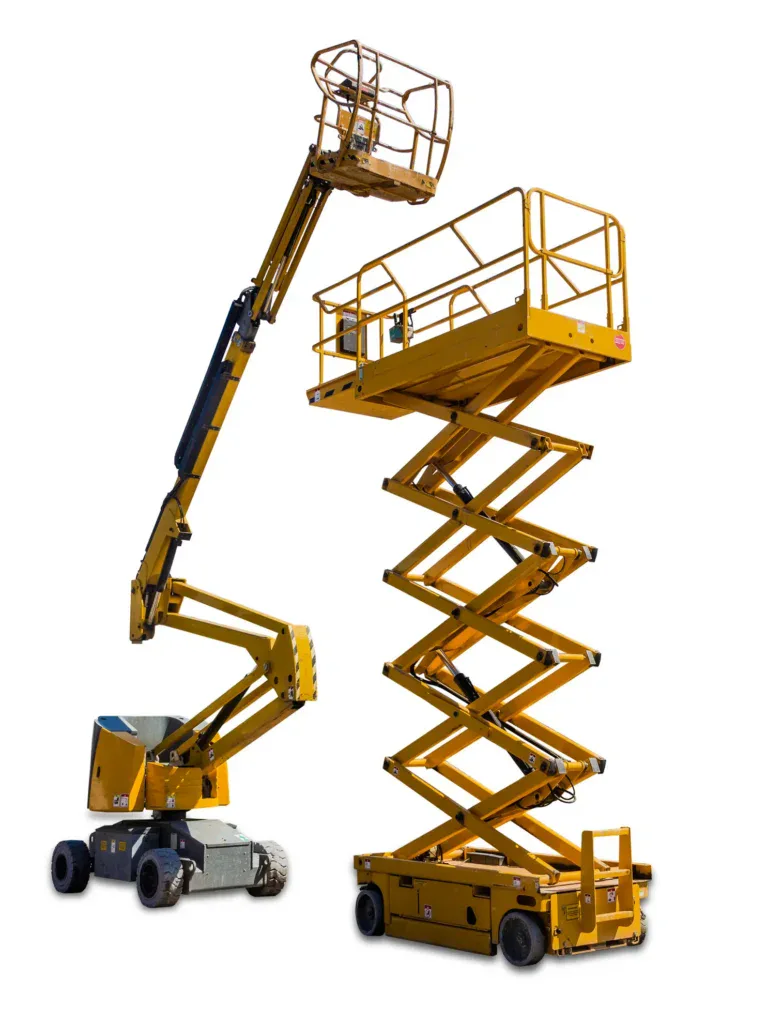
A scissor lift is a portable, hydraulic-powered lift with a platform that can be raised into the air directly above the base. Aerial lifts are vehicle-mounted, boom-supported aerial platforms, also known as cherry pickers or bucket trucks, and are used to access facility lighting and other above-ground job sites. Employers must take measures to ensure the safe use of lifts by their workers if they are required to use this equipment. The major causes of injuries and/or fatalities are falls, electrocutions, collapses, and/or tip-overs.
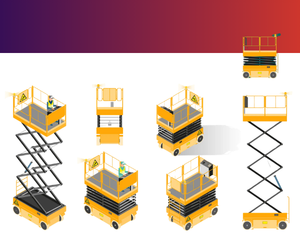
Hazards Associated with Scissor Lifts
Lifts falling over or workers slipping off of the platform if:
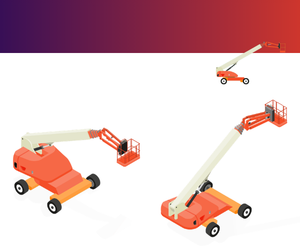
Hazards Associated with Aerial Lifts
The following hazards can lead to personal injury or death:
Be sure when renting any piece of equipment that all manuals are maintained with the rented equipment. Make sure to check for the need for fall protection (use of a harness or strap) and scaffold training before using a lift. Fall protection and training (in accordance with CFR 1910.66) are required whenever an aerial lift is used.
OSHA Violations – Caught by Drive-By
OSHA cited two auto dealers for use of an aerial lift without proper training and fall protection (harness). One facility used an aerial lift to trim trees and another facility rented an aerial lift from a local vendor to change lights in the parking lot. The fines associated with these violations were between $8,000 to $9,000. In both instances, OSHA inspectors merely drove by and observed the violations on the way to other site visits.
Aerial Lift Training Requirements
Only trained and authorized persons are allowed to operate an aerial lift. Training should include:
Aerial Lift Safe Work Practices
Although renting a lift may seem like a simple process, there are quite a few requirements and hazards associated with their use that can be overlooked. Employers must use due diligence before the use of scissor or aerial lifts to ensure employees are protected during their use to prevent injury.