Use Case
Turn Incidents Into Opportunity for Prevention
Logging an incident should do more than document what happened. It should enable you to respond effectively, understand contributing factors, and make changes that reduce the chance of another event.
Flex surfaces the patterns behind your incident and near-miss data, so you can fix the conditions causing harm and steadily drive down your recordable rate.
Build a more consistent, proactive approach to incident management.

How Do You Reduce Recurring Workplace Incidents?
You move from documenting events to learning from them by analyzing incidents and near misses together to find the root causes, fix systemic conditions, and prevent the next event. That shift, from tracking to prevention, is what lowers recordable rates over time.

Preventing Incidents Starts With…
With Every Report, Investigation, and Corrective Action in One System, Patterns Arise
When everything lives in one system, patterns become visible instead of buried in spreadsheets and email. Keeping these activities connected creates a complete record of what happened, how your organization, responded, and what was done to prevent recurrence.
To see how Novara Flex connects each stage of the incident lifecycle, check out Incident Management.
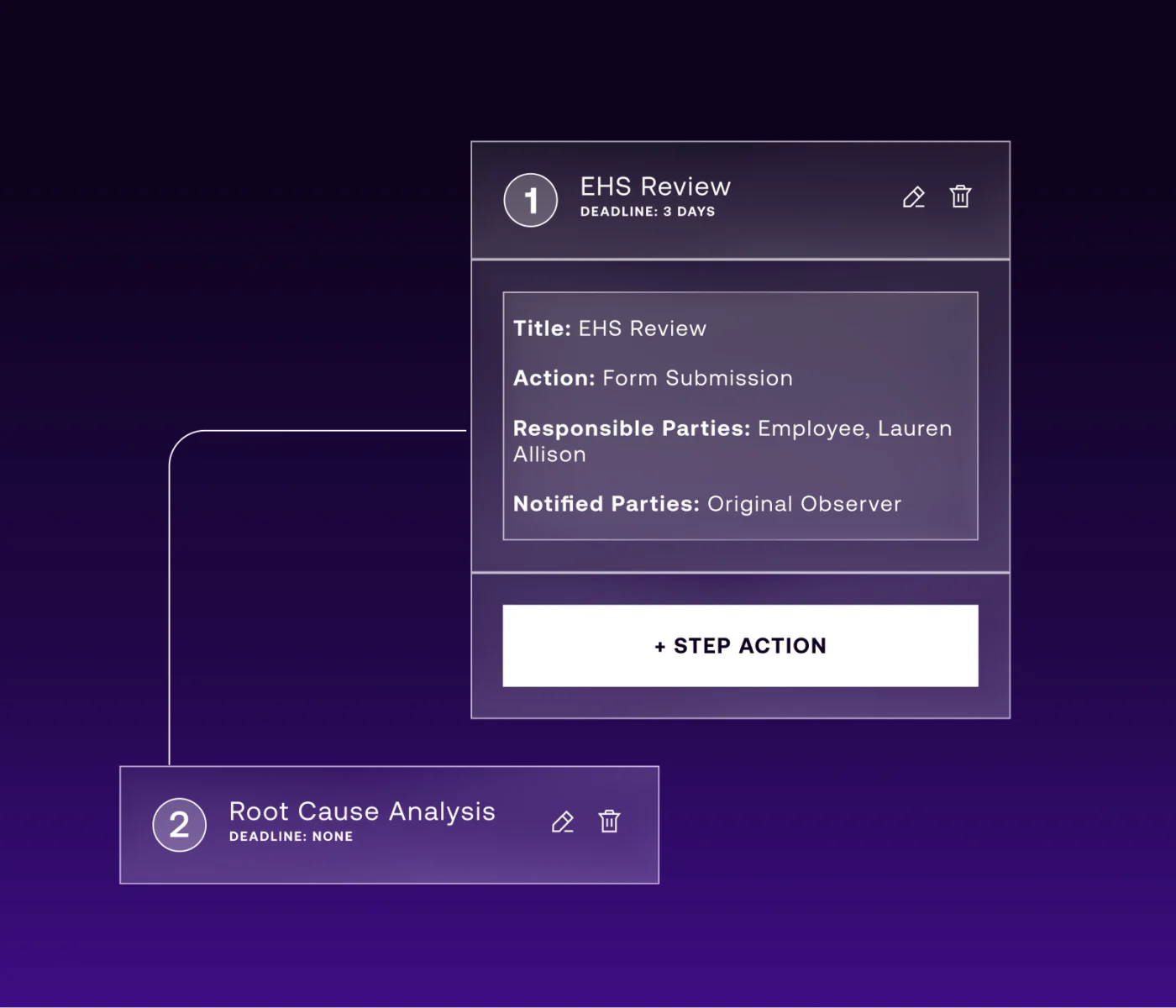
Consistent Response is What Makes Prevention Repeatable
Flex sets a standard for how events are handled across the organization, while accommodating differences across sites, business units, and incident types.
With Flex, leadership can trust that events are being handled thoroughly and consistently, wherever they occur.
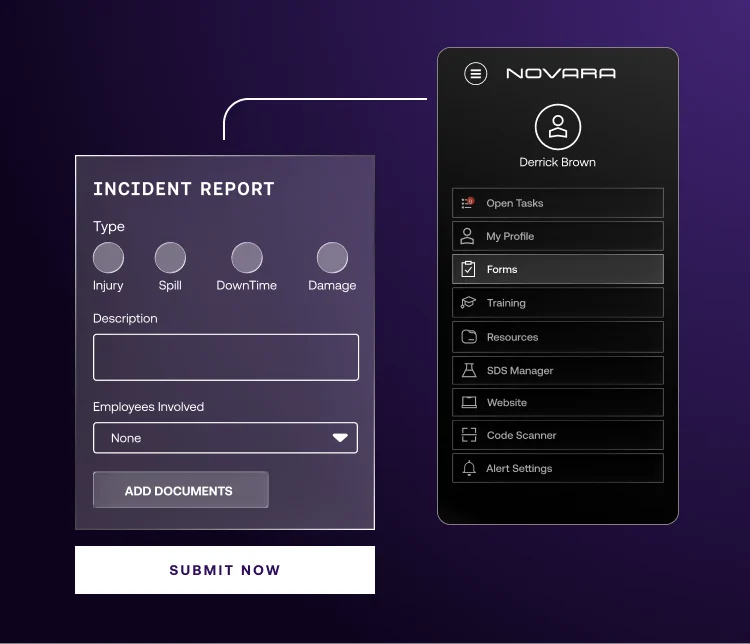
Analyzing Near Misses Next to Your Incidents
By analyzing near misses next to actual events, your safety team can identify recurring contributing factors and conditions that produce harm. You can then act on the pattern, not the outcome.
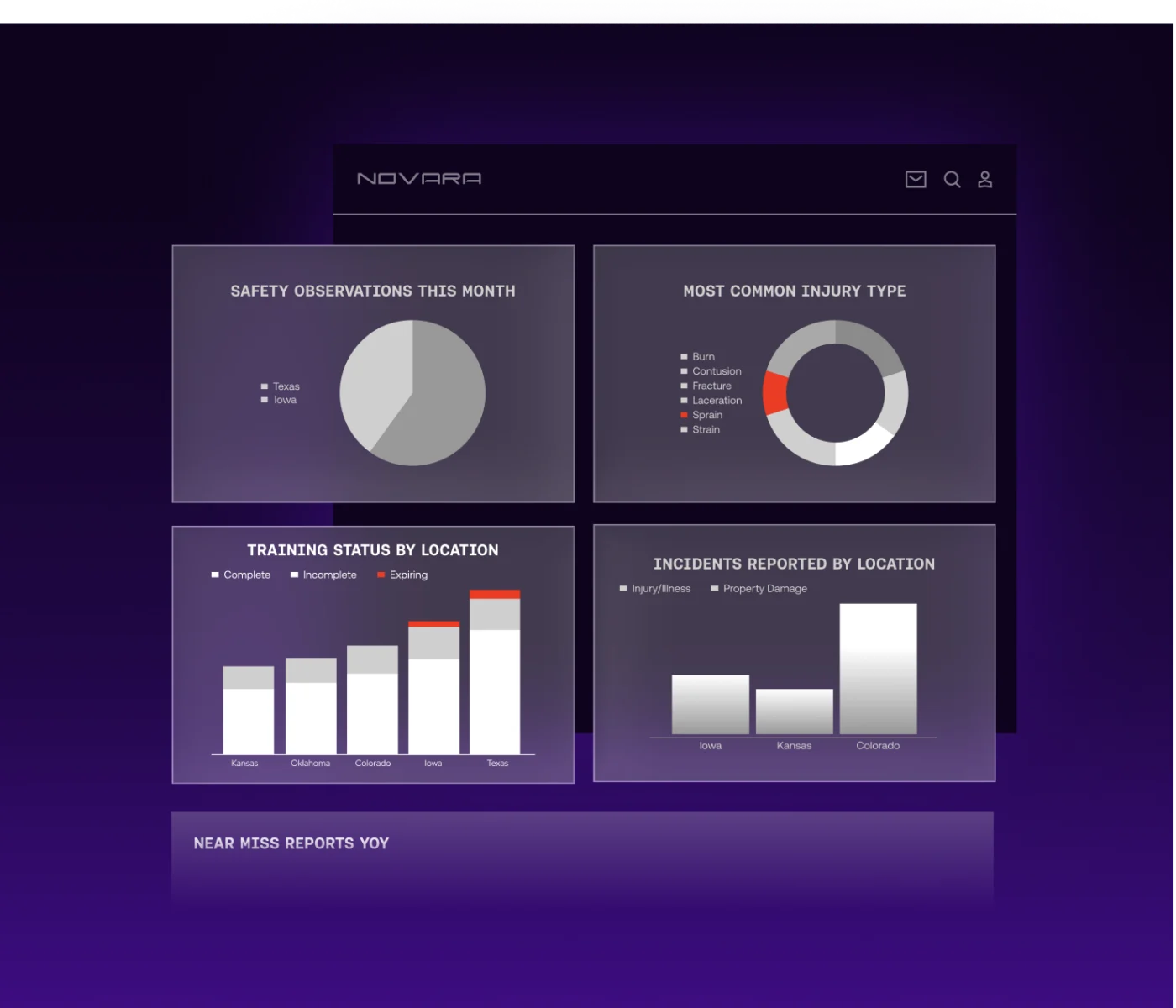
Understand Why Incidents Keep Happening
Individual incident reports rarely tell the complete story. Identifying patterns across locations, departments, tasks, equipment, and event types reveals why incident keep happening.
Flex connect your event data to surface recurring causes, high-risk tasks, and repeat locations, so you target the systemic conditions driving your recordable rate, not just the last event.
How Flex Gives You a Clear Picture Into Reducing Risk & Prevention
Every Event Type, One Prevention Picture
Flex handles every event type: injuries, near misses, property, vehicle, environmental, and more.
Keep Prevention Accountable
Prevention sticks when people see it work. Employees are more likely to participate when they understand how their reports contribute to meaningful improvement. Over time, that visibility can strengthen trust, participation, and shared accountability for safety.
The Proof That Sets Flex Apart
Sam Erickson, Quality Electric
“We’ve seen a significant decrease in our number of injuries. We’ve actually cut our recordable injuries in half.”

Incidents are Rarely Isolated; They are Signals in the Bigger Risk Picture
Related Resources
A Data-Driven Guide to Improving Workplace Safety
Read this eBook to learn the different types of safety data and best practices for using data and analytics to improve your safety program.

Major Industrial Electrical Contractor Reduces On-the-Job Injuries by 50% with Novara
"We've seen a significant decrease in our number of injuries. We've actually cut our recordable injuries in half." – Sam Erickson, Corporate Safety Officer

How to Develop Preventative Safety Measures: An Interview with Novara’s Jade Brainard
In this week’s episode we discuss how data and analytics not only help develop preventative safety measures, but also predictive safety measures.

Automating Your Safety Metrics: An Interview with Novara's Alaina Adair
On this episode of The Safety Meeting, we discuss how automating your safety metrics helps alleviate stress, save time, and minimize frustration.
From tracking incidents to preventing them
The goal isn’t completed reports; it’s fewer incidents. Flex turns what happened into what you change, so your recordable rate goes down and stays down.
See How Flex Works for Your Team
Deliver a high-performing safety program without the manual effort. Request a personalized demo to see how Flex works for your operation.
Frequently Asked Questions
Tracking documents what happened. Reducing means using that data to fix root causes so it doesn’t happen again. Flex connects both.
By revealing patterns across events, such as recurring causes, high-risk tasks, repeat locations, you act on conditions, not just individual reports.
That page shows how Flex captures, investigates, and records incidents. This page is about the outcome, using that data to reduce incidents over time.
In the field on their mobile device, which we talk more about on the Frontline Hazard & Near-Miss Reporting page. This page is about what happens next: analyzing those near misses alongside incidents to prevent the next event.