Use Cases
Give Every Worker a Voice in Workplace Safety
The people doing the work see risk first, whether the unguarded machine, damaged equipment, blocked exit, or a changing job-site condition.
Flex gives employees a fast way to report hazards, near misses, and good catches, then routes the data to the right people for review, follow-up, and resolution. Turn what your workforce sees into a strong source of operational risk intelligence.

What is Frontline Hazard and Near-Miss Reporting?
Frontline hazard and near-miss reporting empower the people doing the work to report unsafe conditions, near misses, and good catches from the field before they become incidents. Done well, it turns everyday observation into leading-indicator data that helps safety teams act early.

Make Every Worker An Active Participant in Risk Reduction
You Can’t Be Everywhere, so Give Frontline Workers a Direct Line to Share Risk
Your safety team can’t be everywhere. The people on the floor and in the field are seeing changing conditions, equipment and contractors every day, and they get to spot emerging risks or danger first.
Flex gives them a direct line to report what they see while the details are fresh, surfacing risk between scheduled inspections, audits, and reviews.

Make it Easy to Report Concerns in Seconds
Employees are less likely to report concerns when processes are difficult, time-consuming, or disconnected from how they perform their jobs.
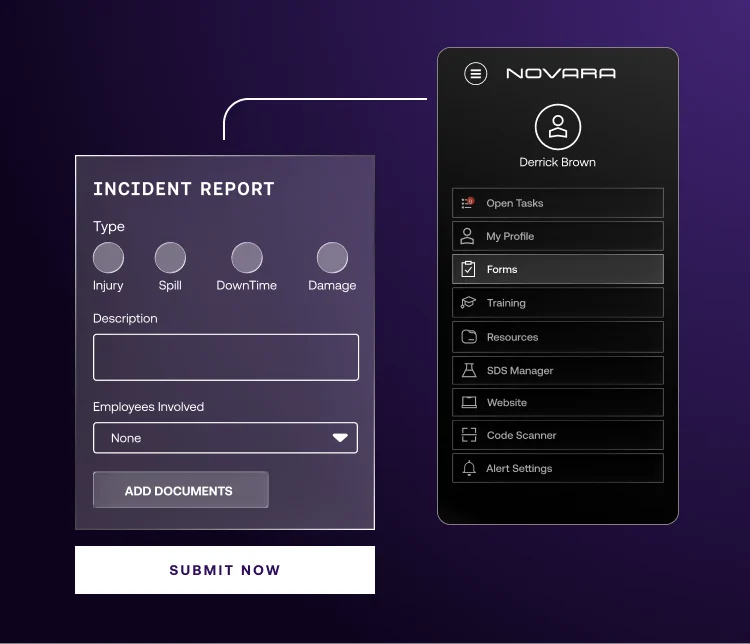
More accessible reporting reduces the effort for workers to document what they observe, add relevant context, and submit the report without returning to a desk or locating a paper form. All within seconds.
Reports can include
Capturing this information at the point of work enables reviewers to quickly understand and respond effectively.

Enable Workers to Treat Near Misses as Actionable Leading Indicators
A near miss is evidence that an unwanted event was possible, even when no injury or damage occurred. Or as OSHA cites it, a near miss is just a “close call.“
When near misses go unreported, weaknesses in procedures, training, equipment, supervision, or operational controls persist until they cause real harm.
Flex enables teams to treat near misses as actionable leading indicators, so reviewers can see what happened, evaluate the potential severity, identify contributing factors, and determine whether additional action is needed. Your employees can also see how their reporting drives action.

Highlight the Wins and Positive Changes
Employees can highlight good catches, safe behaviors, effective controls, and improvements made by coworkers or teams as a way to reinforce the behaviors the organization wants to repeat.
Positive reporting can help safety leaders understand:
Make safety participation more visible and reinforces shared responsibility for operational risk.

Action and Consistency Only Increase Worker Engagement
The work you do across all your locations ensures that your teams see change and that your leadership continues to have a clear organizational view of operational risk.
Workers stop reporting concerns when they can’t see if anything happened as a result.
Flex gives you a way to acknowledge reports, document the reponse, and demonstrate that employee participation leads to meaningful action. Managers can reinforce reporting by communicating what was corrected, what is still being evaluated, and what broader changes were made.
Closing the feedback loop helps employees understand that reporting is a practical way to influence workplace conditions.
Hazard and near-miss reporting tend to look differently across facilities, projects, shifts, and departments.
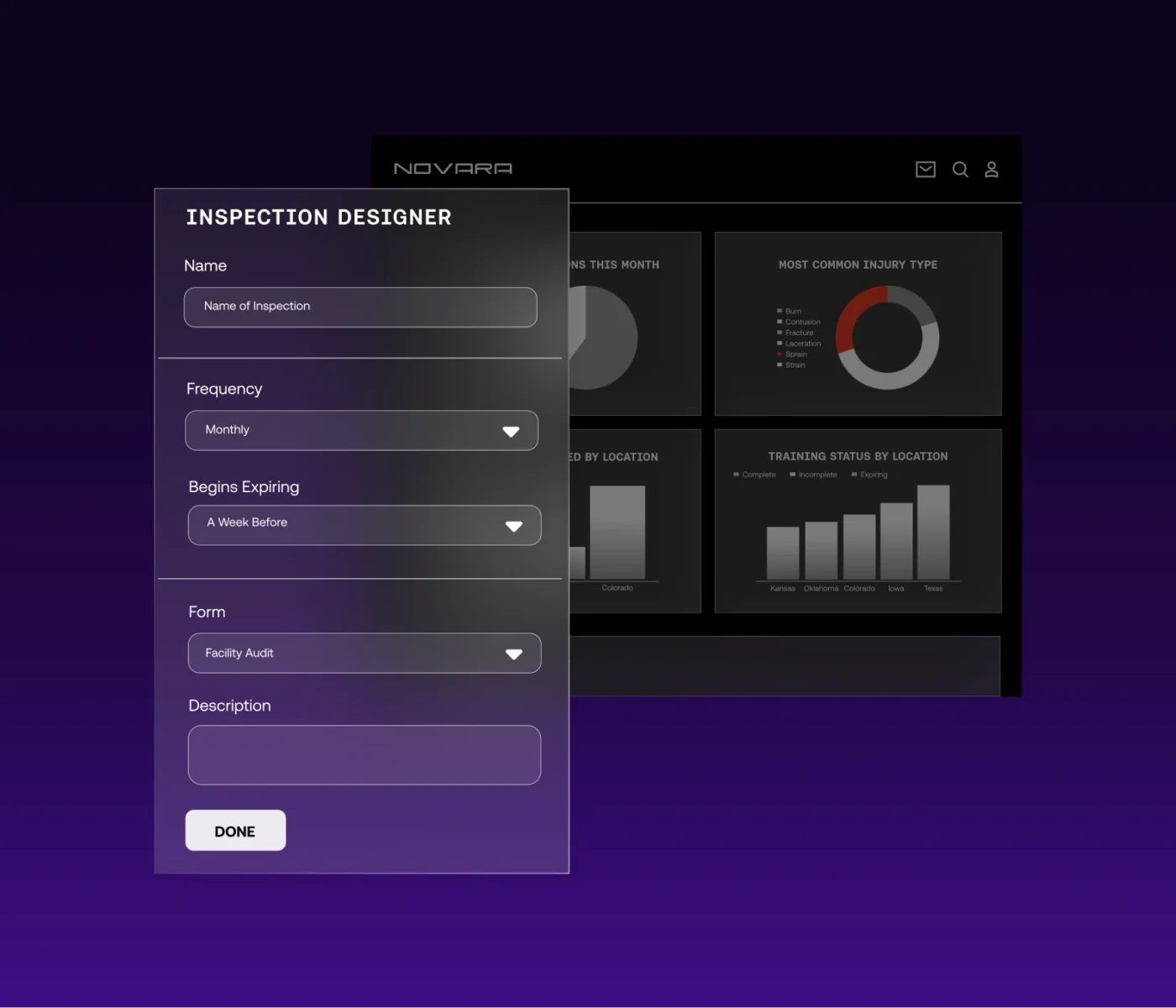
Flex sets a consistent framework while allowing workflows to reflect local operations and responsibilities.
With it, leadership gets a clearer organization-wide view, while sites retain the flexibility and control specific to their processes.
Capture Data and Prioritize Your Next Steps
Capture the Full Picture
A strong workforce reporting program should reflect the full range of information employees encounter in the field. Flex can support reporting for workplace hazards, near misses, unsafe conditions, unsafe behaviors, safety observations, good catches, equipment concerns, environmental conditions, process deviations, contractor concerns, security issues, improvement suggestions, and positive safety practices.
Route and Prioritize Every Report
Reports only create value when someone acts on them. Flex routes each concern to the right supervisor, safety pro, or team based on type, location, and severity, and flags the urgent ones, like an uncontrolled energy source or fall risk, for immediate response. A risk-based process puts your team’s time where the exposure is the greatest, and connected workflows carry every report through to resolution.
Turn Reports Into Actionable Risk Intelligence
A Connected Body of Reports Reveal Patterns that Require Broader Action
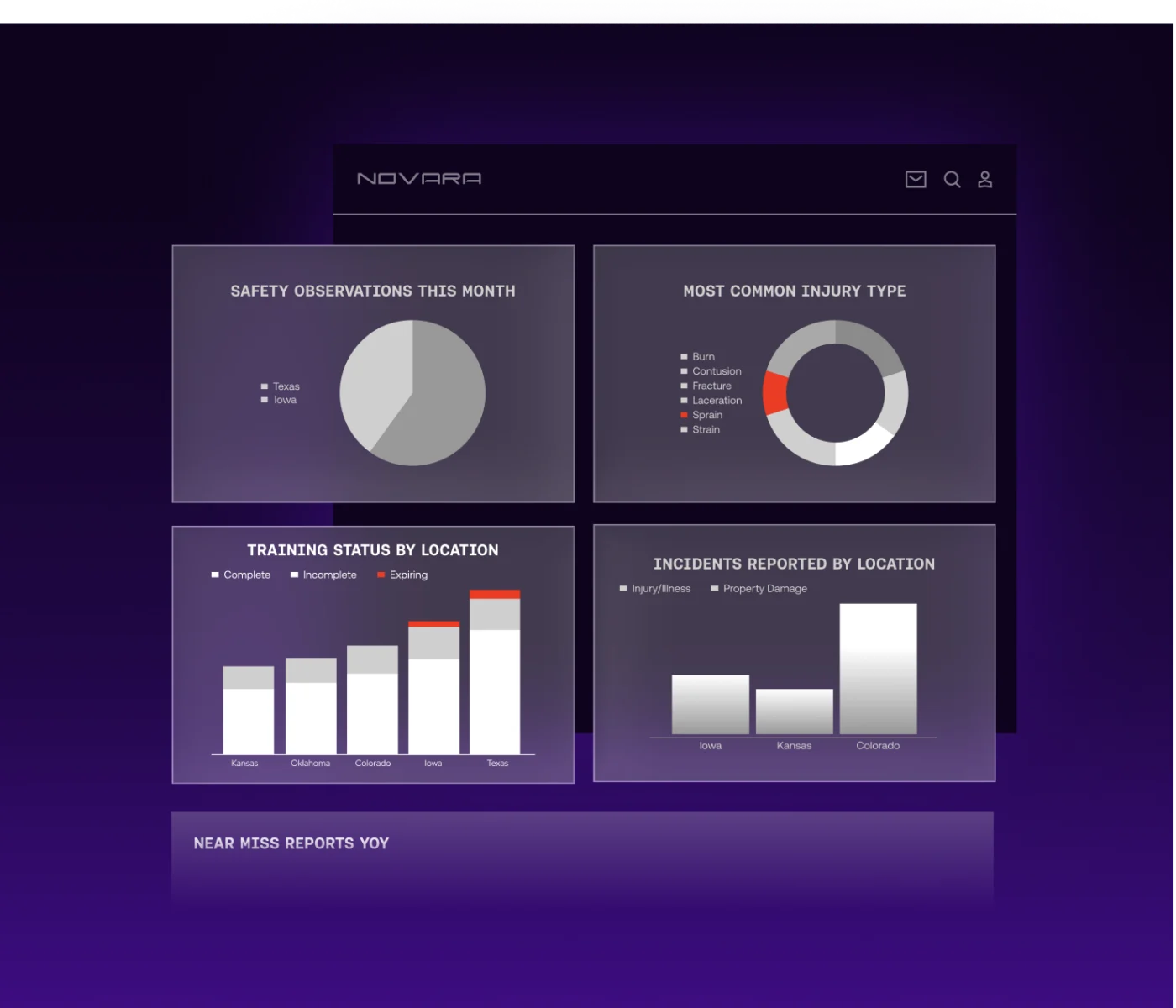
Evaluate frontline reporting data to understand:
These insights enable leaders to determine where additional inspections, training, maintenance, supervision, or process changes may be needed.
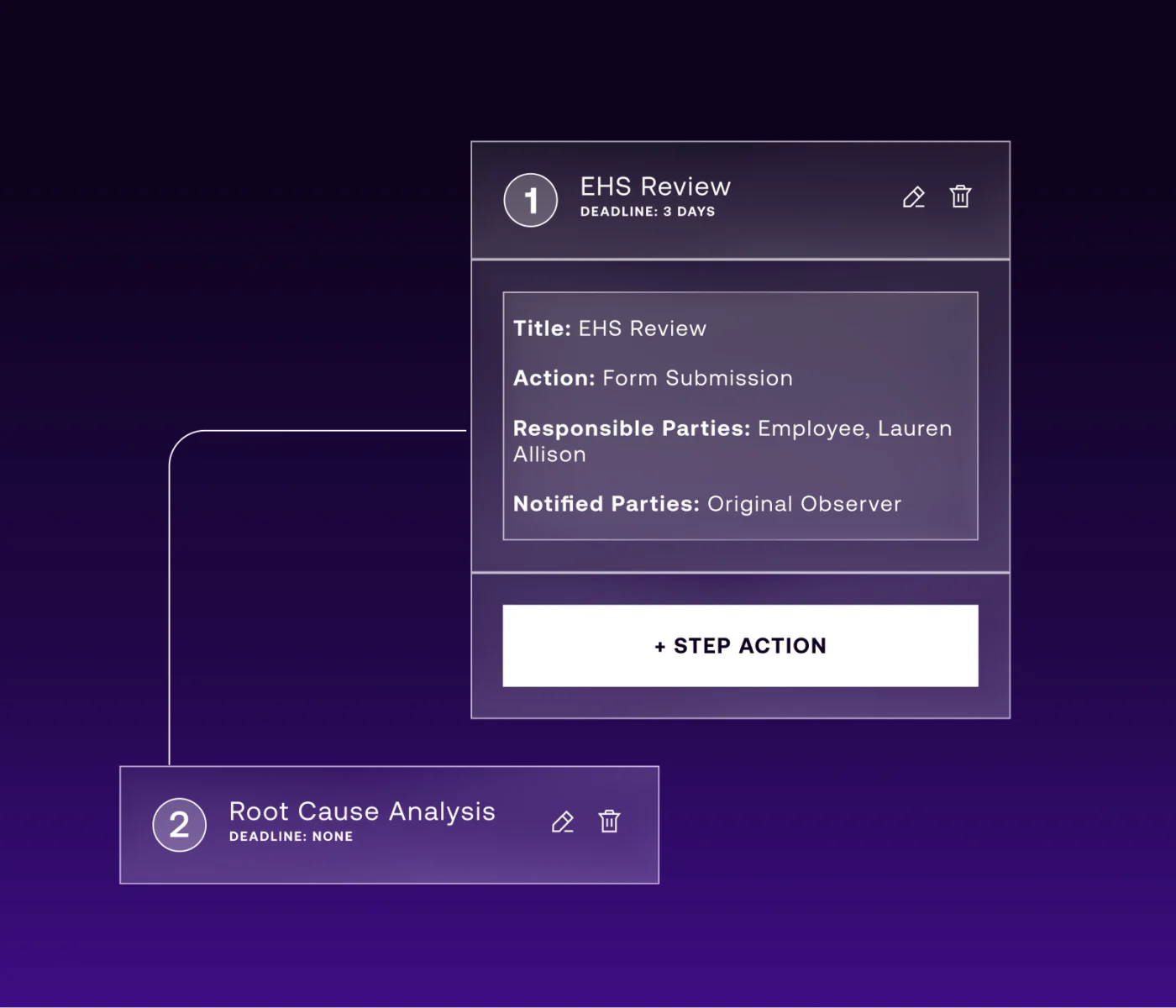
A Connected Process Gives You a High-Level View
A successful reporting program can generate a significant volume of information. Without a connected process, safety teams likely spend too much time sorting emails, re-entering data, requesting missing details, and manually tracking follow-up.
Novara Flex brings reports, review activities, supporting evidence, assignments, and outcomes into one system. Safety leaders can monitor activity without creating separate trackers for every concern.
This allows teams to spend less time administering the reporting process and more time evaluating and reducing risk.
Comprehensive Risk Intelligence
With a more accessible and connected approach, organizations can:
Flex enables teams to treat near misses as actionable leading indicators, so reviewers can see what happened, evaluate the potential severity, identify contributing factors, and determine whether additional action is needed. Your employees can also see how their reporting drives action.
The Proof That Sets Flex Apart
VP of HSEQ, Oil & Gas Company
“When I review our lagging indicators, the impact of focusing on the leading indicators is evident in the 75% reduction in our total recordable incident rate.”
David Finley, Dolese Bros.
“We refocused our efforts on leading indicators and culture, and that’s when we saw the change in incident rates.”

Connect to Your Broader Safety & Operational Risk Program
Related Resources
A Data-Driven Guide to Improving Workplace Safety
Read this eBook to learn the different types of safety data and best practices for using data and analytics to improve your safety program.

Dolese transforms Safety and Compliance with Novara Flex
"With Novara Flex, we've transformed our safety culture. The ability to track and manage workplace exams digitally has been a game-changer for us." – David Finley, Director of Health, Safety, and Environmental

Automating Your Safety Metrics: An Interview with Novara's Alaina Adair
On this episode of The Safety Meeting, we discuss how automating your safety metrics helps alleviate stress, save time, and minimize frustration.

Churchill Downs Racetrack Reduces Incidents and Saves Big
“Novara has been helping to drive down number of injuries, most importantly, but also the cost associated with them.” – Luke Bramblett, Director of Environmental Health & Safety (EHS)
See How Flex Works for Your Team
Deliver a high-performing safety program without the manual effort. Request a personalized demo to see how Flex works for your operation.
Frequently Asked Questions
A hazard is a condition that could cause harm; a near miss is an event that could have caused harm but didn’t or was a close call; a good catch is a hazard someone corrected before anyone was exposed. Flex captures all three in one place.
Yes, reports can be submitted offline on a mobile device and sync automatically when a connection returns.
Frontline reporting handles the early signals before an
event; incident management handles the lifecycle after one occurs. Flex connects the two.
No, Flex brings reports, assignments, and outcomes into one system, so tracking happens automatically instead of in spreadsheets and email.