Tracking the Psychological Risks of AI in the Workplace with Dr. Christopher Warren
In this episode, we discuss treating AI as a workplace exposure that can create cognitive, behavioral, and decision-environment hazards.
In this episode
Tracking the Psychological Risks of AI in the Workplace
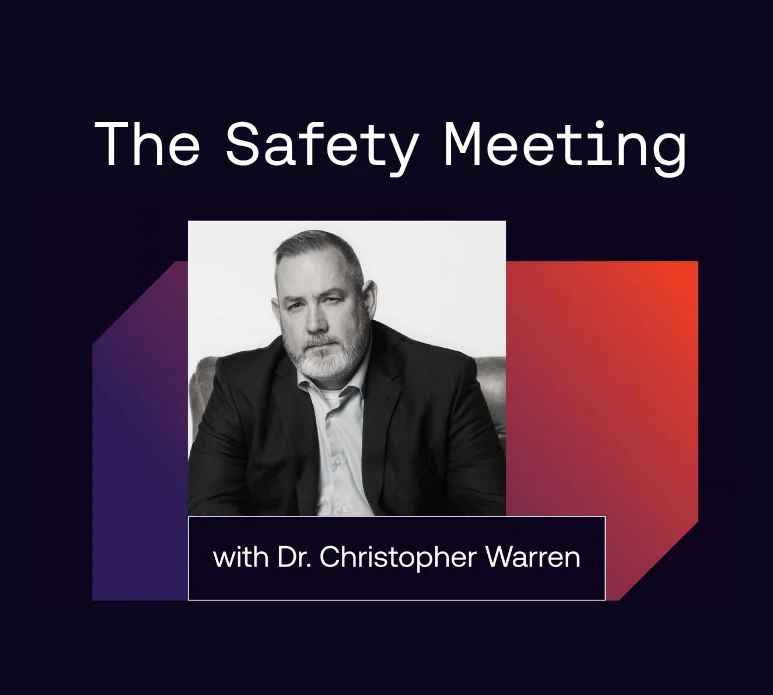
In this episode of The Safety Meeting from Novara, we talk with Dr. Christopher Warren, a certified safety professional and founder of Artificionomics, about treating AI as a workplace exposure that can create cognitive, behavioral, and decision-environment hazards. He explains how industrial hygiene principles can be applied to AI by anticipating where it’s introduced, recognizing and evaluating exposures, implementing human override controls, and confirming outcomes. Dr. Warren outlines the psychological risks of algorithmic monitoring, and argues that safety leaders must act ahead of regulation.
- (00:00) Welcoming Dr. Christopher Warren
- (02:55) Understanding Artificionomics
- (05:02) Psychological Risk Signals
- (06:03) Monitoring and Scoring Effects
- (07:22) Human Dignity at Work
- (08:41) Talking to Executives
- (09:59) Industries Doing It Right
- (11:18) Common Automation Mistakes
- (12:23) First Steps for Safety Managers
- (14:49) Regulation and Leading Ahead
Transcript
When we talk about AI in the workplace, the conversation usually goes one of two directions. Either it’s a productivity win, or it’s a job threat. But there’s a third conversation that safety professionals need to be having, and it’s about what AI does to the people that are working alongside it every day: the psychological pressure, the erosion of human judgment, the shift in how workers are monitored and evaluated. These are real hazards that most organizations don’t have a framework for addressing yet.
But today’s guest does. Dr. Christopher Warren is a PhD and certified safety professional with decades of experience in occupational health and risk management across high-hazard industries. As the founder of Artificionomics, a discipline that applies industrial hygiene principles to human risks introduced by AI and automation, Dr. Warren, welcome to The Safety Meeting. Thanks for speaking with us today.
Thank you for having me, Kat.
Absolutely. Let’s jump into those questions. So, Dr. Warren, safety professionals have spent decades learning to identify hazards they can see, measure, control, things like chemicals, noise, physical strain. How do you make the case that AI introduces hazards that deserve to be at that same level of rigor?
Sure. So, you know, safety professionals, we’re trained to trust what we can see, measure, and quantify. But that mindset is exactly why AI risk is often underestimated. I mean, the reality is this, that hazard recognition has always evolved ahead of visibility. We didn’t see silica dust hazards until epidemiology and industrial hygiene made it measurable. We didn’t see noise damage until we understood a cumulative exposure to noise. And AI is no different. It introduces cognitive, behavioral, and decision environment hazards that are less visible, but no less real. So this is the case that I make in my book: if something influences human behavior, decision-making, or stress load, it’s a workplace exposure. If it creates predictable adverse outcomes over time, it belongs in the same risk management framework as chemical hazards and physical hazards. AI doesn’t replace hazards, it redefines where hazard lives.
So, you’re kind of looking at it from this lens of understanding that when a new piece comes into the world of EHS, environmental health and safety, you may not understand what kind of risks are there, but it should be treated seriously because whether or not you know the risks, there could be risks. So you have to be able to put a framework on it to make sure you assess those risks. You coined this term, Artificionomics, to specifically describe applying industrial hygiene principles to that AI risk, like you just talked about. What does that actually look like in practice for safety managers on the ground?
Sure. When I came up with the term Artificionomics, it’s derived from the Latin word “artificium”, which is human-made intelligence, and then “nomics”, which is the principle and governance and management of systems and resources, which basically is work, okay? And there’s a third component, too, to Artificionomics, which is human-centered risk management. It’s the discipline of ensuring technology serves people rather than the reverse. So, Artificionomics is simply applying core principles of industrial hygiene to AI risk. And that’s anticipate where AI is being introduced, you know, scheduling, monitoring, decision-making; recognizing what exposures does it create, you know, cognitive overload, loss of autonomy; evaluate how are workers interacting with it, what the intensity and duration is; and control, can we redesign the system, add human override, reduce exposure frequency; you know, confirm are the outcomes improving, are we measuring stress, error rates, and turnover? For safety managers, that translates into adding AI interaction points into JSAs or pre-task planning, treating AI systems as exposure sources, not just tools. It’s not theoretical; it’s just expanding the toolbox we already use in the EHS field.
So it sounds like the way that this should be applied for someone on the ground is another tool to help analyze. It’s not making decisions, it is not the thing that drives change, it is a tool to make the data work for you, it sounds like. So, when we talk about that and how to integrate that into workflows for these safety managers, I feel like, you know, sometimes it’s going beyond ergonomics and physical risk, especially when it comes to AI. So, what are the psychological hazards that safety professionals should be monitoring as AI takes on more of a decision-making or decision-informing place in the workplace?
Well, as they’re introducing this AI technology, we’re entering a phase where most significant risks aren’t physical. They’re psychological and cognitive. So, the loss of autonomy: you know, workers feel like operators and not decision-makers anymore. Cognitive overload: it’s the constant alerts, dashboards, and data streams that they’re being exposed to. The fear of being evaluated by a system they don’t understand. And then there’s also skill degradation: you know, over-reliance on AI reduces competence over time and also critical thinking skills. Also we’re looking at moral distress, when workers must follow AI decisions they don’t agree with. So, you know, these are not just soft issues, they’re directly correlated with increased error rates, reduced situational awareness, and a high incident probability.
That makes sense. You know, when you think about the ways that AI has been somewhat integrated, I wouldn’t say it’s fully integrated everywhere yet, but integrated into these new workplaces, and I feel like a lot of workers today are being evaluated, monitored, or even managed fully by these AI systems using things like productivity scores, algorithmic scheduling, automated performance flags. What does that do to a person over time, and why should safety leaders care?
So, it’s going to impact people’s mental health overall, okay? When workers are continuously scored, monitored, and flagged by an AI system, it creates a chronic exposure condition, okay? Over time, that leads to hypervigilance, that means that they always feel like they’re on, right? Reduced trust in leadership, burnout, disengagement, and risk-taking or workarounds to try to game the system. You know, from a safety perspective, this matters because people under chronic stress do not make safe decisions.
And we’ve talked about this a few times before in the podcast. If you’re a long-time listener, you’ve probably heard our episode on psychological safety and mental health in the workplace. It’s a huge determining factor on how long it takes people to come back after an injury, the ways that they operate within the system and how they report things. So, when you talk about protecting mental health and human dignity in this AI-driven workspace, what does dignity actually mean in that operational context? And how would a safety manager, how would you know if it’s being compromised amongst your workforce?
Well, you know, human dignity isn’t abstract. It’s operational, right? So, it means workers, you know, they understand how decisions are made about them, you know, they have the ability to question or override AI outputs, maintain agency in their own work. You know, dignity is being compromised when workers say, “The system won’t let me.” Okay? Decisions are made with no human explanation, and people feel replaceable rather than valued. So, in safety terms, dignity is tied directly to engagement, trust, and accountability with their employers.
I can see how those things tie together and how they can create an environment that’s either really positive or really negative. And I think for the listeners of this podcast, they’re probably people that are more in tune with these things. You know, if you’re seeking out information like this, you’re probably understanding that this is something that is important to keep your workforce not only safe, but, you know, psychologically safe in their job. So, while the safety managers may understand this at a baseline, I think sometimes it’s more difficult for executive teams to kind of wrap their head around something that to them maybe feels more conceptual. So, if you were to give advice to a safety manager on how to have a conversation with an executive team about the psychological and ethical risks of AI, what advice would you give them so that you don’t lose them in the first 30 seconds of that conversation?
Well, when you’re addressing executives, you don’t lead with ethics. You lead with risk, performance, and costs. They can understand, they can wrap their minds around that. You frame it like this, okay? AI is introducing unmanaged exposure into our system. It’s impacting decision quality and human performance reliability. And if we don’t manage it, it shows up in incident rates, turnover, and productivity loss. Executives understand risk, the liability, and the performance degradation. You know, once they’re engaged, then you expand into the ethics and the culture piece of it.
So it’s really about building that initial understanding even if the ethics and things aren’t there first, there are still risks inherent that the executives are going to care about. So it just really matters how you kind of frame it in order to get that conversation started. And I’ve seen that there are, you know, lots of industries that are integrating AI and I’m sure that there are some that are doing this well. So, are there certain industries where you have seen that AI has been integrated in a way that protects the whole worker rather than just optimizing around the worker with AI?
Well, sure. During the research for my book, I found that, you know, we’re starting to see this done well in aviation. They have strong human-in-the-loop controls. I’m seeing it in healthcare, you know, AI decision support with clinician override, right? In advanced manufacturing, you got collaborative robotics with clear human authority. The common thread, you know, AI is used to augment human capability, not replace human judgment.
That is a great point. And I think, as with any new technology, when it’s introduced, I think there are ways that people imagine that it will be a solution to issues. And I think when we encounter something as powerful as AI, it can kind of look like a whole answer to an issue, when that’s not totally the thing, you know? We still need to be the ones to make those override decisions, like you mentioned with healthcare. So, I think it’s probably common that there are organizations that could make mistakes while setting this up because it’s so new. So, when organizations are assuming that removing a human from a dangerous task automatically makes things safer, implementing AI instead of the human, what sort of common mistakes are you seeing in these organizations that are making that assumption that removing the human would automatically make it safer?
From the research and the case studies that I’ve reviewed over the last couple years, the most common mistake is assuming if we remove the human, we remove the risk. In reality, what they do is they shift the risk upstream into system design. Then they also reduce human situational awareness and they create new failure modes that are harder to detect. AI doesn’t eliminate risk; it redistributes it into less visible areas.
So it’s almost like when they take that step, they’re making an assumption that it’ll be safer, and not only is that assumption incorrect, but it also makes it harder to detect. So it’s like almost adding multi-layers of, “Oh, now it’s not safer and now it’s going to be tougher to find that problem.” So, for a safety manager who’s listening to all this and going, “Oh, geez, my company is implementing AI, these risks seem really serious. This is something that I want to think about and make sure that I take seriously, but they don’t know where to begin,” what are some first practical steps that you’d point them to?
Well, you know, when I’m talking to safety managers about the implementation of AI in their workplace, and a lot of safety professionals may be dealing with this right now, their employers looking to bring in these systems or newer technology, I tell them to start simple and practical. Map the AI touchpoints. Where is AI influencing decisions or work pace, right? I also tell them to add to existing processes. They don’t have to rewrite the book or their safety programs, but they need to add to them to address this technology use and these touchpoints, you know, include AI-related hazards in JSAs and pre-task plans and worker training. You know, ask one key question: how is the system changing human behavior? That’s, you can do that from an observational standpoint to see how people are interacting with them. You know, back in the day, people used to do the ergonomic assessments, and they may still do this, by videoing the worker interacting with the work environment and lifting the box and coming up with ergonomic plans to reduce the hazards, right? Also pilot controls: you know, human override requirements, have reduced exposure frequency, you know, rotate workers out, you use some of those administrative controls, you know, clear communication protocols, having those in place and establishing those. And then measuring: you want to measure by getting worker feedback, let them have a voice, you know, look for stress indicators, and then also documenting near misses that are tied to system interactions. You know, you don’t need a new program, you just need to expand the current one you have. That’s what I would tell a safety manager.
It almost seems like it’s just another piece of a safety program that you’d have to evaluate like any other. I think it’s just the fact that because it is so powerful and so new, people think, “Oh, well, it’s just going to fit right in and it’ll figure itself out!” But I think looking ahead, we’ve talked a lot about the kind of risks involved, what safety managers should do, how to have these conversations, and I think the listeners of this podcast are safety managers who are in tune with these changes and are wanting to make sure that they can reduce risk. But when we look ahead, do you think that regulatory bodies like OSHA will be catching up to regulate this AI-related worker risk, or is this going to be an area where these safety managers, these people listening to this podcast, are going to have to lead this front to make sure we keep our people safe?
Well, AI governance has been a hot topic. You’ll see a lot of articles on the internet and a lot of research papers about AI governance and how it should be executed. But regulators like OSHA, you know, they’ll eventually address AI risk, but they’ll lag behind innovation. Right? Think how fast things have developed just in the last three years when it comes to AI technology and artificial intelligence and robotics, and it seems like every month something new, right? So this is one of those moments where, you know, the profession has to lead before the regulation forces it. You have to be amendable and adapt to the change. You’re going to have to pivot as this new technology is being brought into the workplace. And just like industrial hygiene, you know, led the way on chemical exposures, safety professionals now have the opportunity to define what acceptable exposure looks like. How do we measure it? And how do we control it?
It’s kind of exciting to think about maybe shaping the regulatory bodies that move forward. If there are enough people who are looking out for these risks and creating systems that keep people safe, that could even be something that OSHA looks to once they do catch up and build those regulations. So, Dr. Warren, thank you so much for giving us all this insight, sharing your expertise on this topic. I’m sure our listeners are so excited to have this new insight and to be able to implement it in their workplaces when they’re starting to pick up all this AI technology.
Yes, thank you. Um, you know, AI is not just a technological shift, it’s a human exposure shift. We continue to define safety only as what we can see, we’re only going to miss the risks that matter most. You know, that’s what Artificionomics is about, and that’s what my book’s about. It’s protecting the human in the system, no matter how advanced these systems and technology become.
How Culture Shapes Agriculture Safety with TrueNorth’s Eric Wiechmann
Ag safety looks simple from the outside, until you're standing next to a million-bushel grain bin or watching dust pile up inside of a 50-year-old feed mill. So why do the same risks keep showing up year after year, even when everyone knows they're there? That's why I sat down with Eric Wiechmann…
Building Workflows and Deploying Safety Data with Colby Ankeney and Arlo Amos
Colby Ankeney, Director of Heath, Safety and Environment at Silvi Materials, and Novara solutions engineer Arlo Amos unpack how they built Silvi’s safety data system.
The Business Case for Safety with Silvi Materials’ Colby Ankeney
Colby Ankeney, Director of Heath, Safety, and Environment at Silvi Materials, speaks about earning leadership buy-in by treating safety as a core leg of the business.
Book A Demo
You can deliver exceptional EHS Programs with less effort. Contact us today.