The Three Ps: A Safety Manager's Toolkit for Extreme Weather Prep

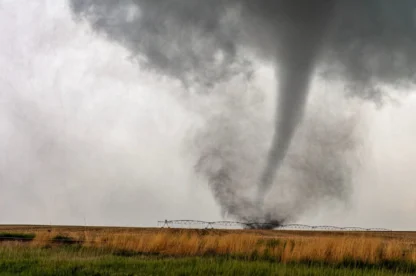
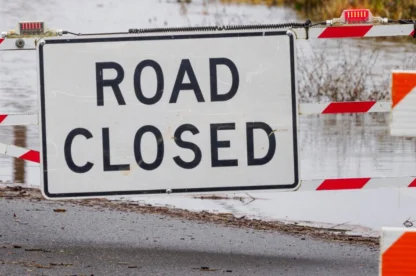
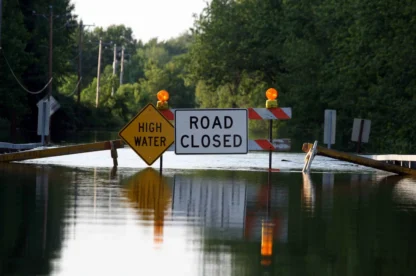
Extreme weather events are becoming increasingly common across the globe, causing widespread damage and disrupting daily life. These events can range from short-lived, severe weather conditions like tornados and floods to long-lasting, climate-induced weather patterns, such as heat waves.
There are three keys to reducing the impact of extreme weather events on your workforce:
Let’s dive into these three Ps
PLAN for Extreme Weather
This plan should outline how to prepare for and respond to extreme weather events, including identifying potential threats, setting up communication systems, and developing an emergency action plan.
Besides the economic impact of potential widespread property damage, the most important reason to prepare for extreme weather is to protect community members.
Knowledge of your geographic area and potential weather threats is a great way to start. Be weather-ready by checking the local radar regularly to see if there are threats in your area. Know your community communications and set up Emergency Alert System notifications on your cell phone, and/or purchase a NOAA weather radio.
- Over the last five years, weather-related deaths are up 20% from 2019 and injuries have increased 120%, while the number of weather events have increased 11%.
- In 2023, 75,104 weather events resulted in 877 deaths and 3,857 injuries.
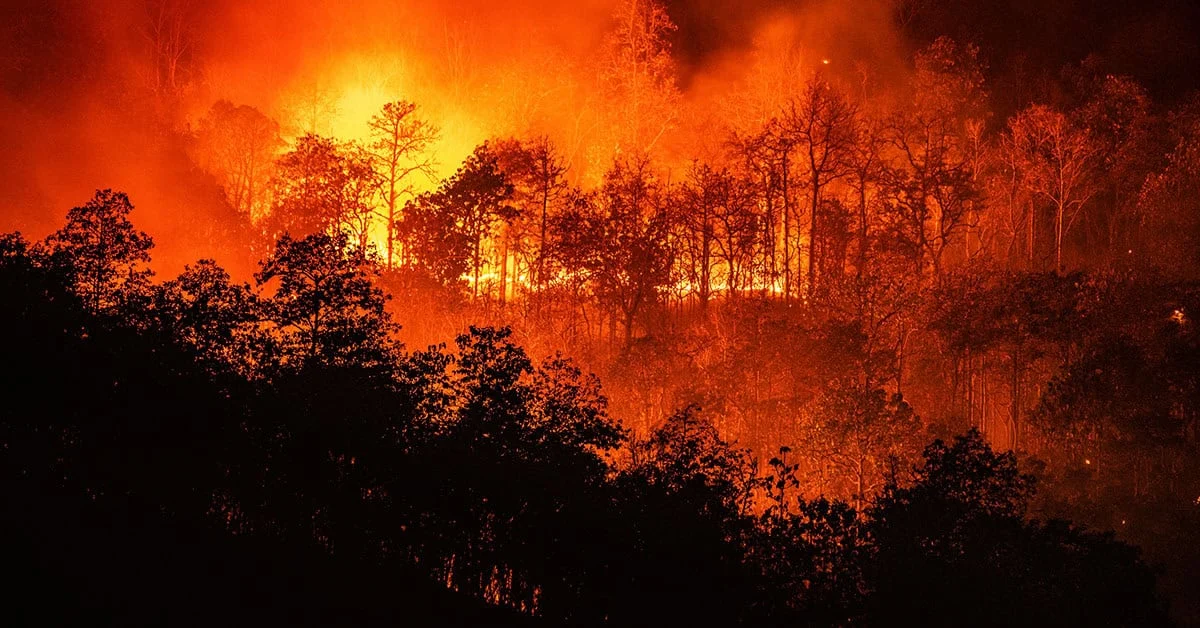
- Heat, wildfires, and tornadoes were responsible for the most deaths during 2023.
- The largest number of reported injuries resulted from heat, tornadoes, and winter weather.
- The deadliest weather events in the United States over the past five years include winter weather in 2021, drought and heat wave in 2023, and drought and heat wave in 2021.

PREPARE for Extreme Weather
Besides the economic impact of potential widespread property damage, the most important reason to prepare for extreme weather is to protect community members.
Winter weather, heat, and floods were responsible for the most deaths during 2022. The largest number of reported injuries resulted from winter weather, drought, and tornadoes. The most deadly weather events in the United States over the past five years include winter weather in 2021, drought and heat wave in 2021, and Hurricane Ian in 2022.
The NSC has a great deep dive into local extreme weather details – I’d recommend searching for your location to narrow down what you should be preparing for.
An emergency action plan facilitates and organizes employer and employee actions prior to, during, and after workplace emergencies.
The emergency action plan should be readily available to all employees and reviewed annually.
Develop your emergency action plan for potential weather threats that could impact your facility, focusing on actions designed to eliminate employee injury and reduce structural damage.
Your plan should include appropriate employee training (documented at least annually), to ensure employees understand their responsibility outlined within the plan.
PRACTICE Responding to Extreme Weather Events
Employees need to know who the emergency coordinator is and understand that this person has the authority to make decisions during emergency events.
The coordinator is responsible for assessing the situation to determine whether an emergency exists and requires
- activating emergency procedures,
- overseeing emergency procedures,
- notifying and coordinating with outside emergency services, and
- directing shutdown of utilities or plant operations if necessary.
Your emergency action plan should document have requirements for practice drills. Most plans require documented practice drills annually, or more frequently based on changes to the plan or if there is a change to the facility structure.
These practice drills provide great benefits, as they
help illustrate deficiencies in the plan.
help to ensure employees are aware of the procedures,
confirm the applicability and validity of the plan, and

Extreme weather events can be challenging, but we can tackle them head-on with a solid emergency action plan.
By staying informed and taking proactive steps, you can minimize damage and ensure the safety of our workforce and infrastructure.
Whether it’s by regularly checking the local radar, setting up emergency alerts, or running weather drills, there are plenty of ways to prepare for extreme weather events.
Subscribe to the blog to get best practices for responding to extreme weather events. We’ll be posting a new article monthly.
With a little preparation, we can face any weather challenge with confidence.